
Gardaí at Irishtown are investigating a number of burglaries that occurred on the following dates, 14th, 17th and 18th December 2025. All incidents on these dates occurred between the hours of midnight and 7am. The male suspect in the high Vis jacket is believed to have used a key to gain access to these premises. When the male gained entry he picked up packages and placed them in a bag or box, before leaving on an electric scooter. The male had no permission to been in these buildings at any time.
Description of Suspects:
Suspect 1:
- Height - 5’10
- Age: 36-45
- Thin build
- Grey hair with distinctive black patch on rear of head
Clothing
- High vis vest
Garda Appeal:
- - Have a look at the CCTV, do you recognise the suspects?
- - Do you recall being in the Dublin 4 area on any of the nights and may have seen these incidents occurring?
- - Where you in the area on any of these nights and may recall seeing the suspects?
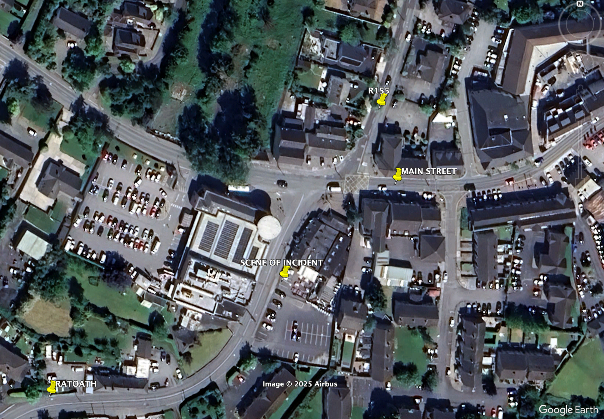
Gardaí at Ashbourne Garda Station, are investigating a Burglary incident that occurred on 27th December 2025 at approximately 5am. On the date in question, suspects approached Ratoath from the Curragha direction driving a Dark Grey Audi A3. The car drove into the Carpark at the Ratoath Inn, where four male suspects approached the premises, breaking the window of a door to gain access. The suspects searched the premises for some time, during which one male removed a cash register containing cash. A few moments’ later two suspects left through the pub, followed closely by the third suspect. The Audi A3 car then left returning in the direction of Curragha.
Vehicle:
Dark Grey Audi A3
Suspect Descriptions:
Suspect 1
- Male
Clothing
- Grey pants with blue stripe on lower half of right leg
- Grey runners
- Black Canada Goose jacket
- Grey hoodie with blue hood with pattern design
- Black framed glasses
- Black cap
- Grey gloves
- Carrying axe
Suspect 2
- Male
Clothing
- Dark coat
- Dark pants
- Black runners with white sole and white Nike tick
- Blue gloves
Suspect 3
- Male
Clothing
- All black clothing
- Black gloves
Suspect 4
- Male
Clothing
- Black jacket with logo on left arm
- Black pants
- White runners
- One orange and one blue glove
Garda Appeal:
- Do you recognise the suspects in the CCTV?
- Were you in the Ratoath area on the 27th December 2025? Do you recall seeing these male suspects or this vehicle?
- Gardaí are appealing to anyone with any information, to please make contact.
- Criminal Damage Investigation – Athy, Co. Kildare
The Gardaí at Athy are investigating a criminal damage incident that occurred on Wednesday 4th February 2026, at approximately 8.50pm. The male suspect approached the house and could be seen holding a mallet in a plastic bag. The male then hit the door and camera breaking both. Before he left he then broke the windows of a car that was parked in the driveway.
Suspect Description:
- Male
- Age: 35-40
- Height approx. 6’0
- Athletic build
Clothing
- Adidas baseball cap
- Zip up Hugo Boss hoodie
- Under Armour tracksuit bottoms
- Black runners
- Satchel bag
- Violent Disorder Investigation – Newtownmountkennedy, Co. Wicklow
The Gardaí at Bray are investigating a violent disorder incident that occurred on Thursday 25th April 2024. During this incident damage was caused to nearby property. Gardaí are now seeking your assistance in identifying the suspects described below.
Suspect Description:
Suspect 1
- Male
- Slim build
Clothing
- Hat
- Black jacket
- Grey hoodie
- Grey bottoms
Suspect 2
- Male
- Heavy build
- Bald
Clthing
- Grey hoodie
Suspect 3
- Male
- Slim build
Clothing
- Blue/white beanie
- Blue top
- Work trousers
- Theft from Person Investigation – Dundrum, Dublin 14
The Gardaí at Dundrum are investigating a theft incident that occurred on Tuesday 11th November 2025, at 12.50pm. The male suspect could be seen approaching the victim and taking an envelope from her bag while being distracted.
Suspect Description:
- Male
- Age: Early to mid-40’s
- Stocky build
- Dark beard
Clothing
- Black beanie
- Dark puff jacket
- Blue jeans
- Black and white Nike runner
- Arson Investigation – Abbey Street, Dublin 1
The Gardaí at Store Street are investigating an Arson incident that occurred on Wednesday 31st December 2025, at 2.50am. The female suspect approached the building and began pouring a substance which was then ignited and caused nearby refuse bins and part of the building to go on fire. The female suspect could then be seen running away from the scene.
Suspect Description:
- Female
- Age: approx. 30’s
- Height 5’8/5’9
- Slim build
Clothing
- Red coat
- Hat
- Black long sleeve t-shirt
- Blue jeans
- Dark coloured shoes
- Burglary Investigation – Dun Laoghaire, Co. Dublin
The Gardaí at Dun Laoghaire are investigating a burglary incident that occurred on Tuesday 20th October 2025, at 9.55am. The male suspect gained access to the house and took items of jewellery from the house before leaving.
Suspect Description:
- Male
- Age: Approx. early 30’s
- Slim build
- Average height
Clothing
- Blue beanie
- Face covering
- All black clothing
- Theft from shop Investigation – Townspark, Co Cavan
The Gardaí at Cavan are investigating a theft incident that occurred on Thursday 1st May 2025, at approximately 1pm. The male suspect entered the shop and placed items in his pockets, he paid for some items and made no attempt to pay for the items in his pockets before leaving.
Suspect Description:
- Male
- Height approx. 5’8/5’9
- Dark coloured hair
- Short dark beard
Clothing
- Black puffer jackets
- Black t-shirt
- Grey chinos/jeans
- Black shoes with white soles
- Assault Causing Harm Investigation – Oliver Plunkett Street, Cork City
The Gardaí at Anglesea Street are investigating an assault incident that occurred on Sunday 23rd November 2025, at 2.50am. A male suspect approached the victim, as the gets close hits the victim with his elbow before leaving the area.
Suspect Description:
- Male
- Age: early 20’w to mid-30’s
- Height approx. 5’8
- Dark facial hair
- Stocky build
Clothing
- Green jacket
- Assault Causing Harm Investigation – Harcourt Street, Dublin 2
The Gardaí at Pearse Street are investigating an assault incident that occurred on Wednesday 20th November 2024, shortly before 3.00am. A male suspect is seen talking to the victim who was in a group. The male then pushed the victim out into to the roadway, and began punching and kicking him.
Suspect Description:
- Male
- Age: In his 20’s
- Height approx. 5’9
- Medium build
- Short black hair
Clothing
- Dark bubble jacket
- Blue jeans
- Dark coloured runners
- Theft from shop Investigation – Tuam. Co. Galway
The Gardaí at Tuam are investigating a theft incident that occurred on Saturday 12th September 2025, shortly before 5.10pm. A male suspect entered the shop, he could be seen picking up alcohol and placing it in his trolley, he then removed the tags and placed the bottles in bags before leaving without paying.
Suspect Description:
- Male
- Age: Late 30’s
- Height 5’10 – 6’0
- Dark hair
- Facial hair
Clothing
- Blue denim jacket
- Black t-shirt
- Theft from shop Investigation – Carlow Town, Co. Carlow
The Gardaí at Carlow are investigating a theft incident that occurred on Friday 20th June 2025, shortly before 5.10pm. A male suspect entered the shop, placed items of alcohol in his trolley. He then walked past all points of payments making no attempt to pay
Suspect Description:
- Male
- Age: Late 30’s – early 40’s
- Height 5’8 – 5’10
- Dark hair
Clothing
- Black t-shirt with white stripe
- Black shorts
- White runners
- Black sunglasses
On this month’s Crimecall the team went on location and interviewed a victim of Drug Related Intimidation (DRI). The victim outlined their experience and how the supports they received were of great benefit and resulted in a successful outcome which included the person responsible receiving a conviction before the courts.
The filmed piece also included an interview with Ms Siobhan Maher, National Coordinator with the DRIVE project- (Drug Related Intimidation & Violence Engagement). Detective Superintendent Sé Mc Cormack was in studio on the night to offer advice to viewers on the topic of DRI and the multiagency collaborative approach that has been introduced in recent years to combat this increasing problem.
Garda Drug Related Intimidation Reporting Programme
The Garda Drug Related Intimidation Reporting Programme has been developed to respond to the needs of drug users and family members experiencing drug related intimidation. The Garda Commissioner has selected a Garda Inspector in every Garda Division to respond to the issue of drug related intimidation. These Inspectors are of Management level within An Garda Síochána and have great expertise, knowledge and vast experience. They will liaise directly with their local Superintendent in relation to each individual case. Persons seeking the assistance of the Inspector in their area may contact their Inspector to arrange to meet with them either formally or informally.
An Garda Síochána in dealing with any complaint of drug related intimidation or advice sought in relation to this issue, will do so with the utmost safety and effective means in order to afford the person or family subject to the threat of the best level of security, advice and support which can be offered. Most importantly An Garda Síochána will deal with this issue in the utmost confidential and secure fashion.
An Garda Síochána will offer the following:
- Confidentiality
- Provide practical safety information
- Provide advice in relation to particular threats or instances of intimidation
- Provide information on appropriate drug support services for the individual in the family who is accruing drug debts
- Outline how to make a formal complaint, what is involved, what happens after and possible outcomes.
For further information on the Drug-Related Intimidation Reporting Programme and how to contact your nominated Inspector at your local Garda Station including contact telephone numbers, please click on the link below:
DRIVE (Drug Related Intimidation & Violence Engagement)
DRIVE (Drug Related Intimidation & Violence Engagement) is an interagency project with systems and structures to respond to drug related intimidation and associated violence in Ireland. The project is funded by the Department of Health through its drug initiative. The key objective of the DRIVE project is to support those experiencing drug related intimidation and to build the capacity of communities around Ireland to respond to drug-related intimidation and violence.
For more information, please visit the DRIVE project website. .
A directory of all the support services available nationwide can be found here Help for you - Drive
The DRIVE leaflet can be viewed here.
If you are seeking Garda help in an emergency situation, please dial 999 / 112.
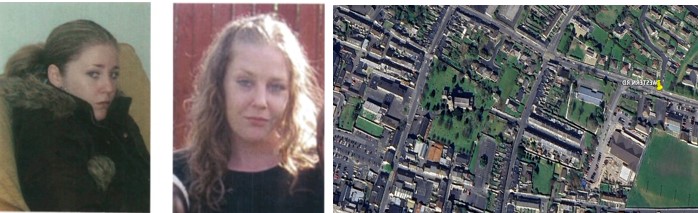
Gardaí at Clonmel station together with Bridget’s family are appealing to the public to help trace and locate Bridget Madigan who was last seen on the 8th February 2016, in Clonmel, Co. Tipperary. This month marks the ten year anniversary of her disappearance.
On the 8th of February 2016, Bridget visited a business in the town centre at approximately midday. She later attended an appointment on Western Road. This is the last time Bridget was seen.
The Garda investigation has included extensive enquiries and searches, including checks in the United Kingdom, all have failed to locate Bridget.
Bridget was last seen wearing black knee high boots with gold around the heel and sole, a black padded long jacket and black leggings. Bridget is fair skinned. She also has a scar and a tattoo, but these would not be visible when clothed.
Description:
- Height: 5ft 4” – 163cm
- Build: Medium Build
- Hair Colour: Long brown and blonde coloured hair
- Age: Bridget was 37 years of age at the time of her disappearance in 2016
Garda Appeal
- Bridget’s family have now suffered from her disappearance for 10 years. Gardaí are appealing to anyone with information who has not previously come forward to contact Clonmel Garda Station, The Garda Confidential Line on 1800 666111, or any Garda Station.
- Anyone who previously came forward and felt they could not provide Gardaí with all the information they had in relation to this matter, to contact the investigation team again.
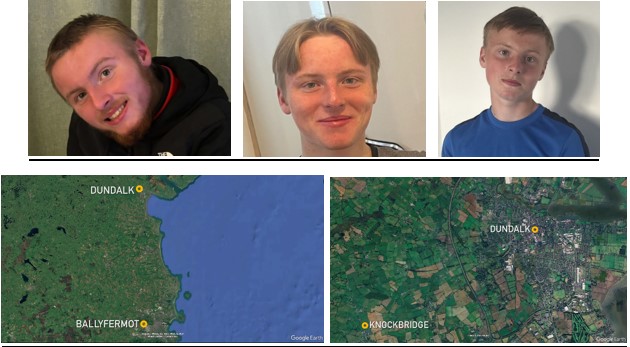
Gardaí at Dundalk station are appealing to the public to help trace and locate Lorcan Meehan who was last seen in January 2026. Lorcan lives in the Dundalk area, Co. Louth but would have travelled to Dublin to visit family. When last seen, he was wearing a black tracksuit.
Gardaí have searched and made a number enquiries in the Louth area - Dundalk, Carlingford, Omeath, Dromod and Hackballs cross areas but have been unable to locate Lorcan.
Description:
- Height: 5ft 10”
- Build: Slim Build
- Hair Colour: Fair hair and currently has a beard
- Age: 18 years of age
Garda Appeal
- Gardaí are appealing to anyone who has seen Lorcan in the Dublin or Dundalk areas.
- Gardaí are also appealing to Lorcan himself, to contact a member of his family or any member of An Garda Síochána.
An Garda Síochána continues to adopt a proactive approach in addressing the illegal and dangerous use of scramblers, quads, e-bikes, and e-scooters. This ongoing effort has been significantly bolstered by the enactment of the Road Traffic and Roads Act 2023.
These types of vehicles can cause death or serious injury to riders and other members of the public, damage public property, and undermine lawful transport provision. An Garda Síochána and the Road Safety Authority (RSA) have highlighted these increasing incidents across the country. There is an array of current legislation that tackles this problem including Sections 41 and 109A of the Road Traffic Act. This legislation provides powers to seize, detain and dispose of illegal vehicles that are being used in any public spaces.
In the Garda Dublin Metropolitan Region (DMR), between 1st January and 30th October 2025, a total of (449) scramblers, quads, e-bikes, and e-scooters were seized in the DMR. This marks a steady rise and effective performance in this particular area of policing when compared with figures from the same period in previous years: (128) seizures in 2024, (67) in 2023, (63) in 2022, and (65) in 2021. These figures are indicative of An Garda Síochána’s robust and operationally active policing response to this issue. The Assistant Commissioner is focused on driving performance in this particular area of policing and road safety across the country
Scramblers: off‑road motorcycles and quads used on roads and in public spaces. Often uninsured, unlicensed and modified for performance; frequently involved in antisocial behaviour, collisions, and damage to parks/green spaces.
E‑scooters: lightweight electric scooters designed for private property or with limited speeds but commonly used on public roads/footpaths despite not being generally legal on public roads in Ireland (except for authorised trials). Many are privately owned, unregistered and lack lighting/reflectors, brakes and appropriate speed regulation.
E‑bikes: These power assisted e bikes are often high‑powered, modified electric bikes that exceed legal power/speed limits and effectively function as mopeds/motorcycles without proper registration, insurance, tax or licence.
Key dangers to using these types of vehicles
Collision risk: high speed in congested urban spaces, limited if any rider training, poor protective equipment and unpredictable rider behaviour increase risk of severe injury or fatality to riders, pedestrians and other road users.
Infrastructure and community harm: reckless use on footpaths, plazas and parks damages public spaces, creates fear and reduces amenity use.
Criminality and antisocial behaviour: vehicles are frequently used in theft, drug activity, intimidation, and in evading Gardaí; stolen vehicles are a common problem.
Insurance and liability: uninsured or unregistered vehicles leave victims without clear recourse; riders face criminal charges and heavy civil liabilities if injured parties seek compensation.
Current legislation
Road Traffic Act
Section 41: Provides Gardaí powers to seize vehicles involved in certain offences (e.g., where no insurance or registration, or to prevent continuing commission of an offence). Enables detention and seizure at the roadside.
Section 109A (introduced to strengthen enforcement against vehicles used in certain offences): grants Gardaí powers related to the seizure, immobilisation and disposal of vehicles involved in offences, and to remove illegally modified or dangerous vehicles from use.
Other enforcement: Road Traffic Acts contain offences for driving without a licence, driving uninsured, dangerous driving, and using vehicles on public roads that do not meet vehicle standards—each carrying criminal penalties, fines and potential custodial sentences.
Disposal and destruction: Where vehicles are unclaimed, cannot be made compliant, or were used in serious criminality, statutory provisions permit disposal, sale or destruction following statutory procedures, custody periods and notices. Garda operational policy and local authority powers contribute to how vehicles are stored and destroyed.
Measures being taken in Ireland
Garda operations: targeted patrols, checkpoints and intelligence‑led operations to detect and seize illegal scramblers, e‑scooters and e‑bikes; multi‑agency taskforces in some areas focused on youth antisocial behaviour and vehicle theft.
RSA engagement: public information campaigns highlighting legal status of privately owned e‑scooters, safety guidance for riders and pedestrians, and support for safer alternative options. RSA publishes guidance and works with local authorities on safety messaging.
Local authority actions: enforcement of bye‑laws, removal of vehicles from parks and public spaces, secure storage and disposal arrangements; community outreach and secure bike‑parking infrastructure to reduce theft.
Best advice if you encounter illegal or dangerous vehicles
Personal safety first: do not attempt to stop or seize a vehicle or confront riders. Avoid escalating situations.
Report promptly: call Gardaí (999/112 for emergencies, or the local Garda station/non‑emergency number) with location, vehicle descriptions (colour, make, registration if visible), direction of travel, number of occupants and any antisocial/criminal behaviour observed.
Preserve evidence: if safe, note times, take photos or short videos from a safe distance (do not film victims or minors in a way that could identify them unnecessarily).
Community action: inform local authority about damaged public property; where repeated antisocial incidents occur, community groups should collate reports to present to Gardaí and councils.
For victims: seek medical attention for injuries, report incidents to Gardaí. Preserve receipts, photos and witness details.
The Gardaí at Bishopstown are investigating unidentified human remains recovered from the River Lee on the 23rd July 1999. The remains were found in the water near the townland of Inchigaggin, Carrigrohane, not far from the road colloquially known as the Carrigrohane, immediately after they were observed by a passerby.
Identification has proven difficult as the deceased didn’t have any personal documentation, so there was no immediate indication as to his identity. Further Investigations were conducted including the taken of a DNA sample and cross referencing the description against missing persons, both of which failed to find a match. At the time, Gardaí believed he may have lived a transient lifestyle and the Post mortem concluded that he had died from drowning.
Description:
- 40-60 years old
- 5’10”
- Strong build
- Short neck
- Dark hair
- Short grey facial hair
Clothing:
- Unusually dressed in that he had on several layers of clothing. These included navy trousers, green striped trousers and blue jeans along with two pairs of socks. On his upper body he had a red and white striped shirt, a green short sleeved jumper and another beige jumper with the sleeves cut off.
- Brown boots he was wearing and these were actually lined with paper labelled ‘Reality April 99’.
Personal items that might help with identification:
- Wooden Rosary beads
- Holy water and a keyring with three religious medals attached
- Silver Philip Mercier watch with a gold face
- Claddagh ring
Appeal
Gardaí are appealing to the public to take a good look at the property that was found with the deceased, do you recognize it?
The MacGinty horseshoe is a very distinctive piece. Do you know anyone who used to own this?
It is thought the deceased may have lived a transient lifestyle, does this together with the description of the male and property found, sound familiar to you?
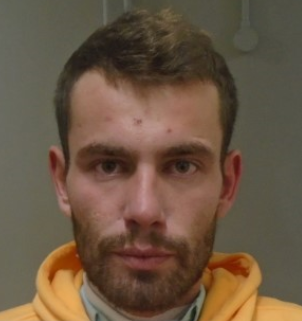
The Gardaí in Mullingar are seeking the public’s assistance in locating 28 year old Jordan Walsh.
Description:
- Approximately 6ft 1
- Brown hair and beard
- Slim build
Last Known Address:
- Known to frequent Baltinglass, Co. Wicklow and Mullingar, Co. Westmeath

The Gardaí at the Garda Extradition Unit are seeking the public’s assistance in locating 28-year-old Yousef Ramadan.
Description:
- Approximately 5ft 10
- Dark hair
- Mole on lip
Last Known Address:
- Riverside Grove, Newbridge, Co. Kildare