
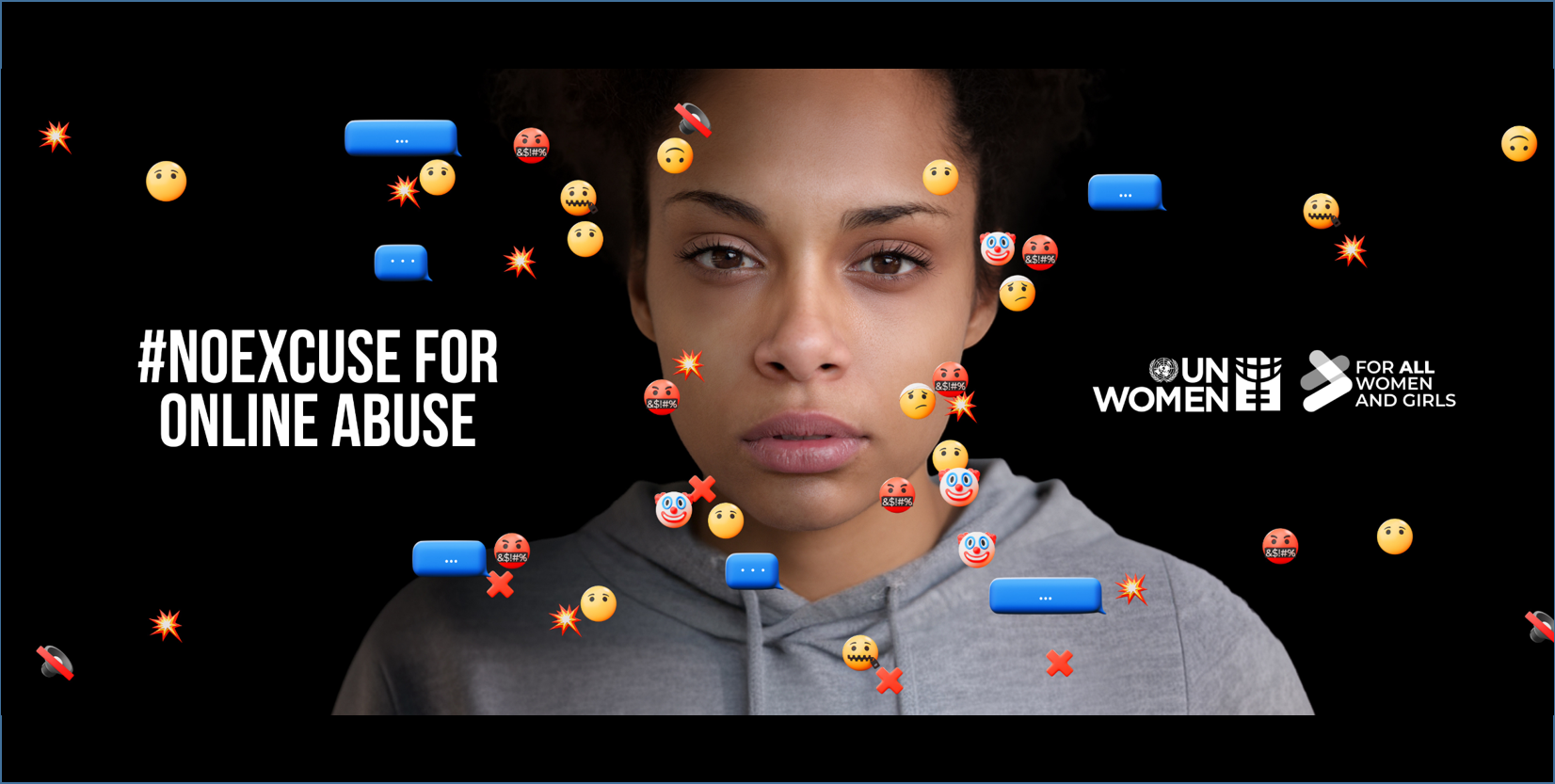
Violence against women and girls affects one in three women globally. It is a human rights emergency that must stop. The Global 16 Days of Activism campaign challenges violence against women and girls. The campaign runs annually from 25 November, the International Day for the Elimination of Violence against Women, to 10 December, Human Rights Day. In 2008, the United Nations launched the UNiTE by 2030 to End Violence against Women campaign. The signature colour of the campaign is orange, a bright and optimistic colour which represents a future free from violence against women and girls. Each year the campaign focuses on a different theme, this year's 16 Days of Activism campaign focuses on one of the fastest-growing forms of abuse:
Digital violence against women and girls
If you or someone you know is experiencing digital abuse, please speak to An Garda Síochána.
We will listen, we will act, we will keep you safe
Digital abuse is verbal, emotional and financial abuse which uses technology and social media to control and monitor your behaviour. It is disrespectful, manipulative and can amount to criminal acts.
Digital tools are increasingly being used to abuse women and girls. This can include:
- Sends abusive and incessant messages by text, email, phone call, and social media.
- Uses technology to track movements and activities.
- Sends explicit and violent images and videos and may demand the same in return.
- Monitors phone and internet use, including controlling who can or can’t be friends on social media.
- Forces or persuades someone to hand over passwords to email or social media accounts.
- Constantly texts and creates pressure to stay connected to the phone out of fear of consequences.
- Restricts access to online money or imposes excessive control over essential purchases, constituting financial abuse.
- Commits image-based sexual abuse by:
- secretly recording someone
- sharing or threatening to share intimate images without consent
- blackmailing someone into sending intimate images
These acts don’t just happen online. They often lead to offline violence in real life (IRL), such as coercion, physical abuse, and even femicide – killing of women and girls. The harm can be long-lasting and affect survivors over a prolonged period of time.
If you or someone you know is experiencing any of these abuses, please speak to An Garda Síochána.
We will listen, we will act, you will be believed.
Human trafficking for sexual exploitation involves forcing a victim into prostitution against their wishes to provide sexual services. The human traffickers are doing this for their own financial gain.
Human trafficking is an egregious crime and is a fundamental breach of a person’s basic human rights. This crime is happening in every city, town and indeed some villages throughout Ireland.
An Garda Síochána is aware through our investigations that technology is being used in facilitating human trafficking through the recruitment, control and ultimately the exploitation of the victims.
Those purchasing sexual services that have been advertised on websites, are committing a criminal offence and will be prosecuted for it. Purchasing sexual services could potentially be contributing to the exploitation of victims and enriching the capabilities of the organised crime groups trafficking women for prostitution.
An Garda Síochána appeals to victims of sexual exploitation to come forward and report what is happening to you. For more information on human trafficking and to report abuse please visit the Blue Blindfold Campaign. An Garda Síochána is here to help and can be trusted to take your report seriously and in the utmost confidence.
If you or someone you know is a victim of human trafficking, please speak to An Garda Síochána.
We will listen, we will act, you will be believed.
Domestic abuse can happen to anyone, irrespective of gender, age, race or background. Domestic abuse isn’t always visible, it has many forms and is more than physical abuse, it can be emotional, psychological, sexual and financial.
An Garda Síochána are aware that technology is been used more and more to enable this abuse to control, harass or monitor victims. Abusers may use digital tools to send abusive messages, track location, activities or share intimate images without consent. These actions are not just harmful, they are crimes.
An Garda Síochána understands that reaching out for help takes extraordinary courage and strength but if you or someone you know are affected by domestic abuse, we encourage you to come forward and speak to us.
You will be believed and we will do everything we can to protect, support and help you stay safe. An Garda Síochána is committed to investigating these offences and to bringing offenders to justice.
If you ever feel that you are in immediate danger, please call 999/112 right away. If you need advice or support you can speak to any member of An Garda Síochána or a support organisation.
We will listen, we will act, we will keep you safe.
It is an offence for a person to record, distribute or publish an intimate image of another person without that other person’s consent.
Forwarding intimate content without consent is illegal.
An Garda Síochána is urging the public to stay vigilant online and understand the serious consequences of sharing intimate images. The Harassment, Harmful Communications and Related Offenses Act of 2020, commonly known as Coco's Law, refers to the sharing or threatening to share intimate images without consent and is a criminal offence. Penalties include up to seven years’ imprisonment and a fine of up to €5,000. If you receive intimate content – delete, don’t distribute, do not share it further.
Report abuse immediately to An Garda Síochána or via Hotline.ie
Gardaí will conduct a thorough criminal investigation with a view to prosecuting offenders, while Irish Internet Hotline will engage with the relevant service provider to seek the removal of the harmful content reported.
Note: Urgent situations where persons may be in immediate danger should always be reported to An Garda Síochána directly by 999 or 112.
Grooming is when perpetrators build trust with children online to manipulate, exploit or abuse them. Warning signs a child may be the victim of grooming include:
- Secretive online behaviour
- Sudden mood changes or withdrawal
- Talking about new friends they met online
- Receiving unexplained gifts or money
Groomers create fake online profiles to contact victims, and they use private messaging to communicate. Groomers will use flattery and emotional manipulation, and gradually escalate from friendly chats to sexual content.
An Garda Síochána is urging parents to stay vigilant by:
- Monitoring activity and talking openly about safety
- Educating children about the risks of sharing personal information
- Reporting concerns immediately to An Garda Síochána or via Hotline.ie
Note: Urgent situations where persons may be in immediate danger should always be reported to An Garda Síochána directly by 999 or 112.